The Final Round

The Final Round

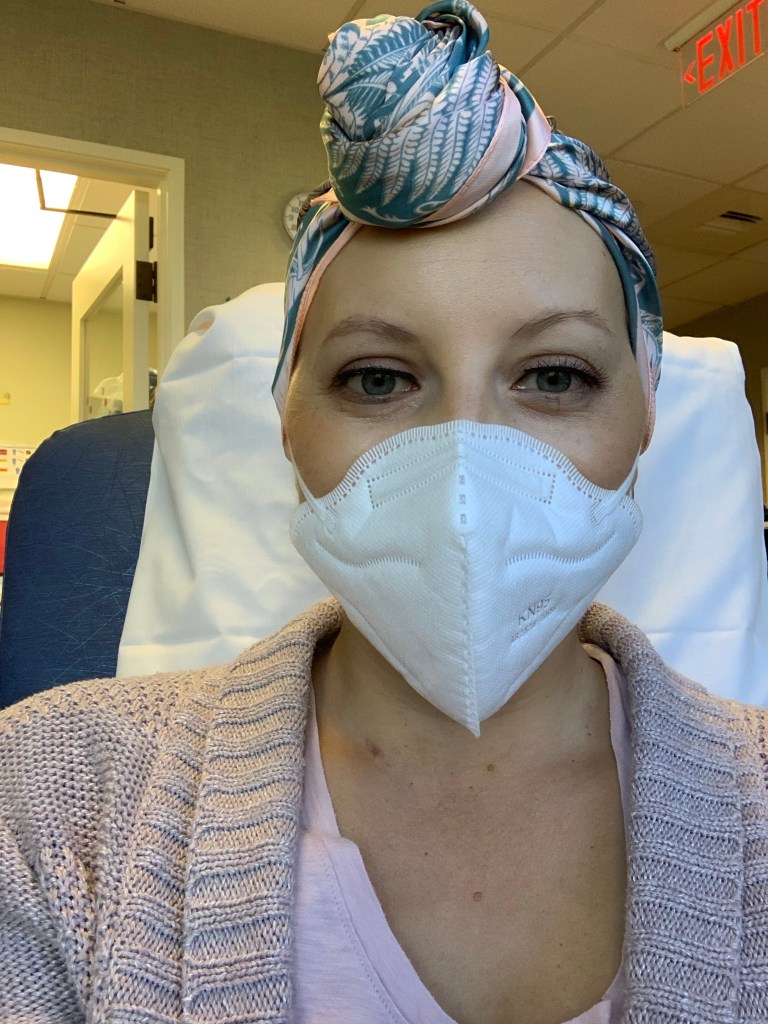
Celebrating with tears of joy today after finishing my last chemo yesterday. 16 rounds over 20 weeks. Conquering the Red Devil and getting through taxol without neuropathy are major victories, and I’m feeling so relieved to be DONE! I could not have done it without all of your support.

There’s still more treatment ahead, but I’m feeling I can manage anything now that chemo is behind me. I am so grateful to God and for all of the love of my family and friends and this great little breast cancer community I’ve found on Instagram that have gotten me through the past 5 months.
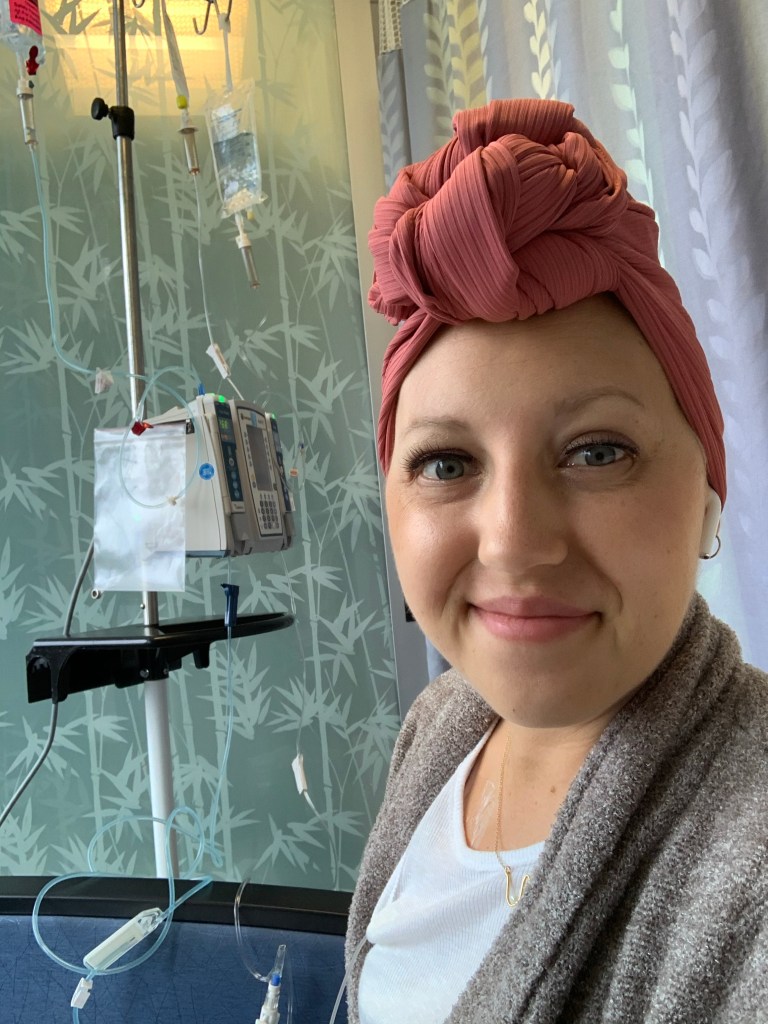
Last infusion day!

I will still receive two GCSF injections to boost my white blood cells this week as my oncologist doesn’t want me too immunocompromised in this COVID life we’re all living in. Then, I’ll re-test my labs in two weeks including a thyroid panel and vitamin D screen that I asked for. My oncologist has been really great about letting me lead my care to some extent and not just telling me what we’re going to do each week. Honestly, I wish every doctor were like that. I am so grateful for her and my whole team of docs who’ve listened to my concerns and took action immediately throughout this whole process.

Next week, I am scheduled to repeat my breast ultrasound, mammogram, and MRI to see where I’m at post-chemo. I am still unable to feel the tumor, but that doesn’t mean I don’t still have a bit of “scanxiety” about the slight possibility that there’s still something there or that the tumor will grow again being off chemo for several weeks before surgery. Please send prayers for good results!
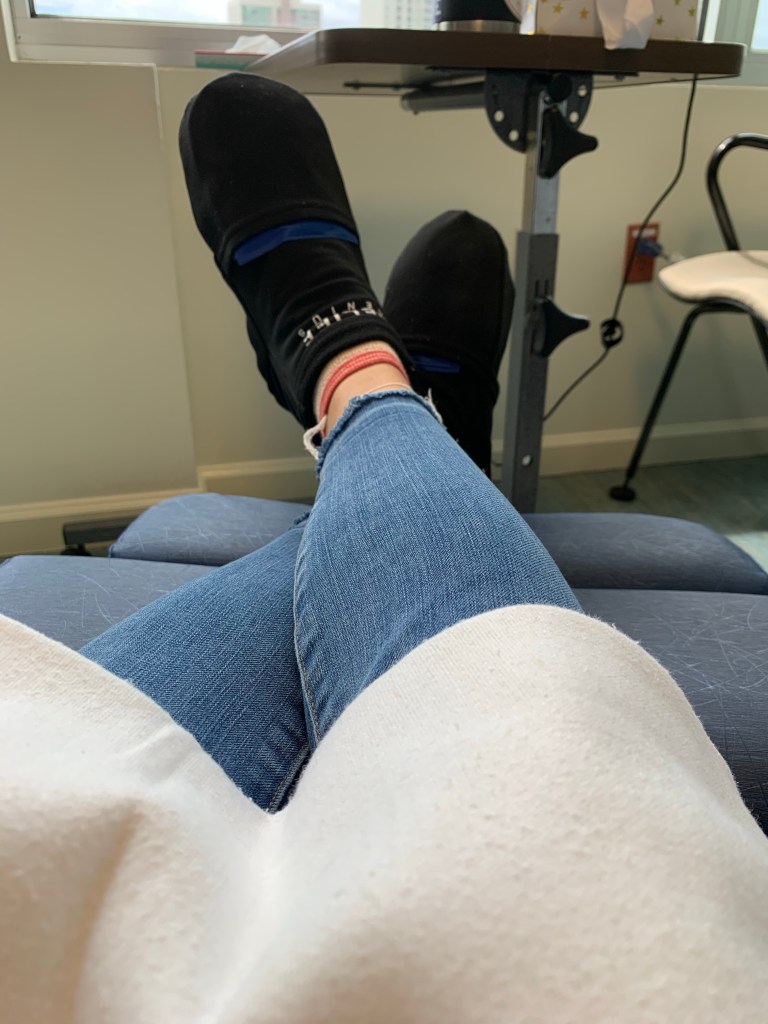
No more ice booties & mittens! Bye taxol. Not gonna miss you.

I’ll meet with my surgeon on November 9, and will hopefully be able to get in for surgery before Thanksgiving. I’m still leaning toward breast-conserving surgery (a lumpectomy) which means I’ll do radiation for several weeks after recovering from surgery. I’ve done a lot of research on different types of surgeries and, besides my intuition telling me not to go for the more aggressive approaches, the research actually backs me up on that decision. For women with similar early-stage cancer to mine, the 5-year survival rate is 94.3% for breast-conserving surgery, 93.3% for mastectomy alone, and 83.7% for mastectomy with radiation.1

I am also biased in that I know that recovery from a mastectomy is really challenging and the complications can be much greater. To have further breast reconstruction on top of that would take multiple surgeries, and honestly, I’m just ready to move on from cancer in so many ways. I know it will always be a part of me, but treatment can end sooner than later if I go this route!
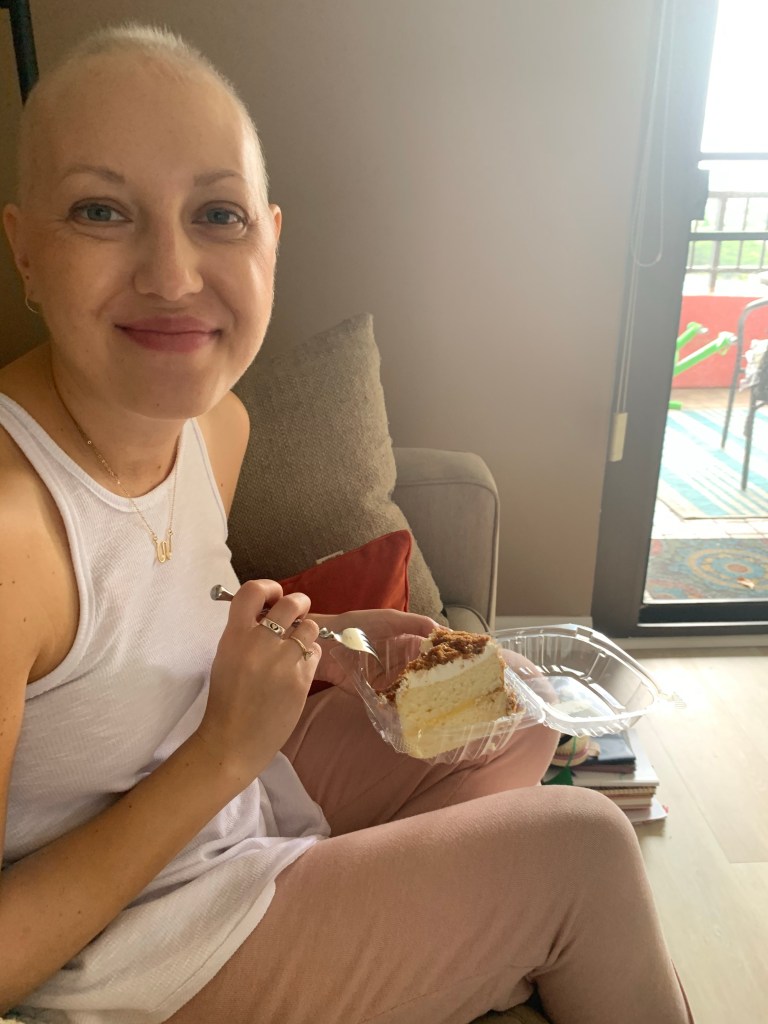
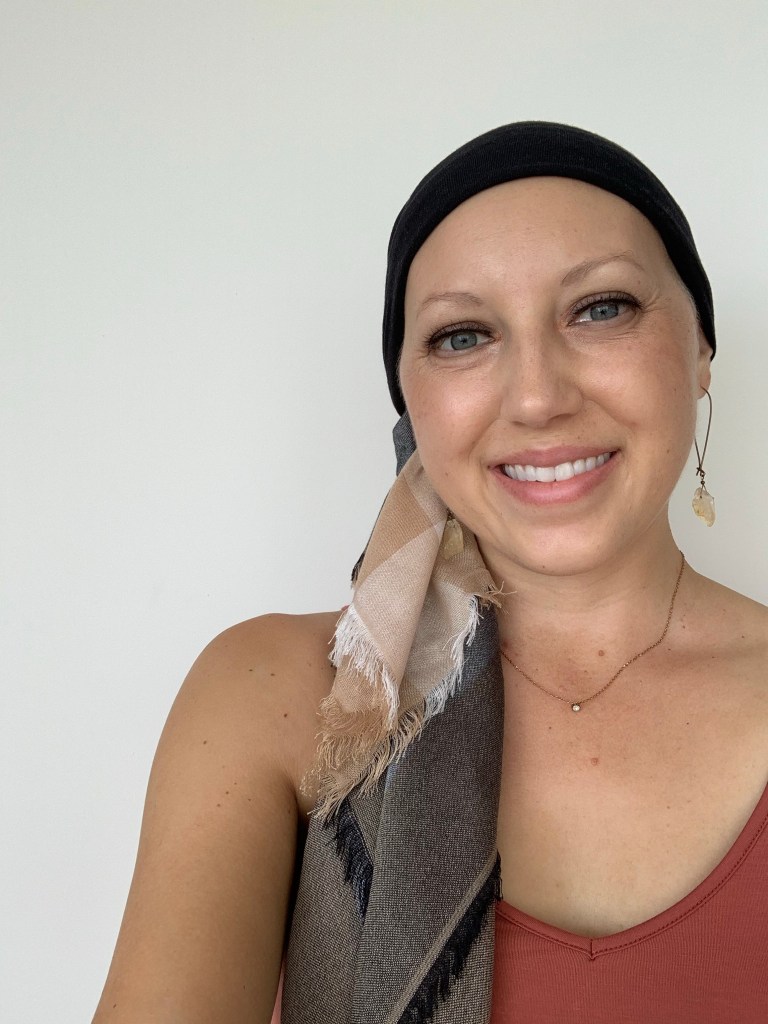
Celebrating with a little lemon crunch cake from Diamond Head Market – heaven! Cute hair, huh?

For now, I’m going to rest and celebrate being done with the hardest part of this little bump in the road. My mom will finally be down to visit in a few weeks and I’m looking forward to that! I wrote down a few things I want to remember from this experience so far and I’ll share a few of them with you here:

  • Faith in God is all you need to conquer anything.
  • The people you love are the most important thing in your life – tell them you love them often and mean it.
  • Find the immense joy in your daily life – there’s no need to search far and wide for it.
  • Spend time in nature – in quiet, being active, barefoot if you can.
  • Know and trust your body. Know that it’s strong and demands to be respected and understood.

Learning you have breast cancer at age 30 isn’t in anyone’s plans for life, and being diagnosed with one of the most aggressive forms of breast cancer doesn’t make it any easier. I want to remind you all that if you think something is off with your body, get it checked out. Don’t take no for an answer from your doctor. You’re not “too young.” You’re not overreacting. YOU are the only one that knows your body well enough to decide if something is off.

I love you all. Thank you for being with me on this ride.

Aloha ❤

Lymphedema after Breast Cancer Surgery

Lymphedema after Breast Cancer Surgery

Lymphedema, a type of swelling in the arm, is an unfortunate complication after breast cancer surgery. I hope this blog will give you a better understanding of the lymphatic system and how to recognize early signs of lymphedema if you’ve recently had or are about to have breast cancer surgery.
*Technically, lymphedema can occur in any limb after lymph nodes are removed, but to keep it simple, I’ll focus on upper extremity lymphedema today.

Overview of Lymphatic System

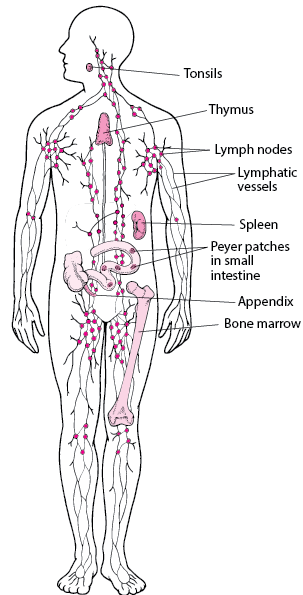
The lymphatic system is a network of nodes, vessels and organs that function as the body’s immune system. Lymphatic fluid (or lymph) is a protein-rich fluid which contains white blood cells. Lymph carries bacteria and viruses to be filtered through the lymph nodes and helps to prevent infection in the body.

Unlike blood, which is circulated around the body, lymph only flows one way (toward the heart) and requires a pressure gradient and muscular contractions to flow efficiently.

Anatomy of the Lymphatic System
Photo borrowed from Merck Manual1

Lymphatic Disruption after Breast Surgery

From my last post, you know that surgery for breast cancer usually involves removal of the tumor itself as well as removal of lymph nodes in the axilla (underarm). Lymph node removal is done because cancer cells can break off and travel through the lymphatic system and those nodes in the axilla are usually the first place they go.

To be sure the correct nodes are examined, the surgeon uses a radioactive dye to determine which nodes drain directly from the tumor site. Procedures to remove lymph nodes can range from removal of only a few nodes in a sentinel lymph node biopsy to many nodes (up to 20 nodes) in an axillary dissection.

With any amount of nodes removed (but especially with >5 nodes removed), there can be disruption to lymphatic flow through the axilla. In some cases, the lymph is unable to drain from the arm, resulting in lymphedema.

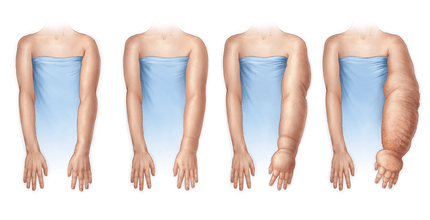
Lymphedema presents as a “swollen” arm, but this is not your usual swelling for two reasons. One, because lymphatic flow is a one-way street, the extra fluid needs to be physically cleared in some way (more on this in a minute…) and, two, because lymph is full of protein and fats that won’t drain into the venous system the way typical swelling does. The limb can actually grow and harden if left untreated.

Stages of Lymphedema – Photo borrowed from Sigvaris2

Studies show that lymphedema occurs in 0-3% of people who choose lumpectomy and up to 65-70% of those who have a modified radical mastectomy.3 Radiation therapy also seems to increase the risk of lymphedema. While many people will develop symptoms in the first 3 years after surgery, lymphedema can take up to 5 years to develop after cancer treatments. Be sure to ask your doctor or physical therapist what your risk for developing lymphedema is and learn about risk reduction practices.

Signs & Symptoms of Lymphedema

  • Swelling in the arm (usually only on side of surgery)
  • Heaviness/tightness of the arm
  • Reduced range of motion of the joints in the affected arm
  • Thickening/hardening of the skin

Physical Therapy Treatment for Lymphedema

A trained lymphedema physical therapist can be an incredible asset to someone who develops lymphedema. Ideally, a physical therapist will be able to work with a patient pre- and post-operatively to monitor girth measurements of the limb and identify lymphedema early on. Stage I lymphedema is potentially reversible, and both stage II and III can demonstrate significant reduction, so seeing a PT sooner than later is key in managing this condition!

With development of lymphedema, a physical therapist can perform or recommend the following interventions:

  • Bandaging of the limb or prescription of compression garments
  • Manual Lymphatic Drainage (specialized lymphatic massage)
  • Exercise prescription (progressive muscle pump, aerobic activity)
  • Patient education on proper skin care and prevention of infection

It’s important to see your doctor or physical therapist as soon as possible if you notice signs/symptoms of lymphedema. Here is a great resource to find a lymphedema specialist in your area. As always, feel free to reach out to me with any questions!

Aloha ❤

Big thanks to Joanne Zazzera, PT, DPT, WCS, for sharing her knowledge and editing this blog!

Physical Therapy after Breast Cancer Surgery

Physical Therapy after Breast Cancer Surgery

Ever since Angelina Jolie publicly addressed her preventative bilateral mastectomy in 2013, many women have the idea that removing both breasts is typical care for breast cancer. While a bilateral mastectomy is still a popular option (both to prevent recurrence and to reduce anxiety about recurrence), there are actually many options for women with breast cancer to consider.

Breast Surgery Overview

The goals of surgery are to remove as much of the cancer as possible and also to examine the lymph nodes nearby to determine how much the cancer has spread locally. Thus, a breast cancer surgery often includes one incision on the chest where the cancer is removed and one in the underarm where the lymph nodes are removed for biopsy. There are also options for breast reconstruction (which is usually multiple surgeries), should someone desire it for cosmetic purposes.

  • Options for breast surgery include:
    • Breast-conserving surgery or BCS (lumpectomy, partial mastectomy, etc.) – removal of part of the breast which contains cancer and a margin of normal cells surrounding the tumor.
    • Mastectomy
      • Simple – removal of all breast tissue including nipple and areola (and usually some skin, but it is possible to have skin- and/or nipple-sparing procedures).
      • Modified radical – removal of all breast tissue along with all lymph nodes under the arm.
      • Radical – removal of all breast tissue and the chest wall muscle (this surgery is rarely done unless the cancer has spread into the chest wall).
  • Types of lymph node removal include:
    • Sentinel lymph nose biopsy (SLNB) – removal of the lymph node(s) to which the cancer would likely spread first
    • Axillary lymph node dissection (ALND) – removal of many (usually less than 20) lymph nodes from under the arm
  • Optional breast reconstruction can include:
    • Implants
    • Autografts – tissue from another part of the body is used to recreate the breast (Reconstruction options are a whole post in itself!)

Many breast surgeons now push for breast conserving surgery (BCS) because having a more aggressive surgery doesn’t always result in better quality of life or reduce cancer survival rates significantly. In fact, having BCS in combination with radiation therapy has been proven to be equally, if not more, effective at improving survival rates than a mastectomy alone.1, 2 This information is especially important for those with triple negative breast cancer who do no have the option of hormonal therapy.

Of course, cancer stage (how large the tumor is and whether the cancer has spread) and grade (how quickly the cancer is growing) both influence the type of surgery and treatment someone may need. Discuss with your oncologist and surgeon which option is the best for you in your recovery.

Physical Therapy

No matter the type of surgery a person chooses for breast cancer treatment, a physical therapist is an integral part of post-surgical recovery. PTs help to maximize the body’s natural healing process, restore range of motion to the shoulder, neck and chest wall after surgery, perform scar mobilization and soft tissue work to the affected muscles, and (most importantly) help people to return to their usual activities!

Some post-op considerations for physical therapy after breast cancer include care of post-surgical drains, observance of proper wound care at the incision site, monitoring for signs of infection, and protecting sensitive skin with post-operative radiation. While all PTs are able to treat a patient post-surgically, there are oncology physical therapists who have more training to look for other complications, especially early signs of lymphedema and cording (stay tuned for my next post).

If you or a loved one are interested in trying physical therapy after breast cancer, ask your doctor for a referral. Most oncologists and breast surgeons work closely with physical therapists and they can send you to a PT they trust in your area. If you want to do some research on physical therapists who are familiar with breast cancer rehabilitation in your area, you can use the APTA PT Locator or search through the APTA Academy of Pelvic Health.

Hope this information is helpful – go schedule with your PT today!

Aloha ❤

Cancer, Sex, & Intimacy

Cancer, Sex, & Intimacy

Cancer isn’t pretty. Besides generally feeling unwell, the hair loss, body composition changes, aches and pains, and hormonal fluctuations are not exactly sexy. Having cancer (or loving someone who does) can certainly challenge intimate relationships. It’s important for cancer warriors to know this isn’t unusual and there are plenty of ways to maintain healthy relationships with their partners ❤

Some cancer- or treatment-related challenges that may affect someone’s sexual function, sexuality, or intimacy with their partner can include:

  • Chemo side effects including fatigue, nausea/vomiting, weight loss/gain, or infertility concerns (etc, etc, etc….)
  • Post-surgical or post-radiation considerations like:
    • pain or restrictions from scar tissue or irradiated tissues (especially with cancer of the reproductive organs)
    • decreased sensation around the nipples after mastectomy
    • urinary incontinence or erectile dysfunction post-prostatectomy
  • New medications that reduce desire or arousal
  • Hormonal changes resulting in low libido, vaginal dryness, or painful sex
  • Body image concerns including attractiveness to self or partner
  • Depression, anxiety, or PTSD surrounding a cancer diagnosis and treatment

There are many ways that pelvic floor physical therapists (PFPTs) can help support both men and women during and after cancer in this realm. PFPTs can treat the physical changes that come with cancer including post-surgical rehab or prescribe general strength/aerobic training. We can treat incontinence after surgery or radiation. We can recommend sexual positions or devices to reduce or eliminate pain with sex. And sometimes, we help our patients find new ways to connect with their partners when they’re not ready to be sexually intimate yet.

Often, seeing a licensed counselor or psychologist for individual and/or couples therapy can be very helpful to maintain or restore intimacy. Remember, cancer is not pretty, and there is no shame in asking for help! If you’re having concerns or challenges in your relationship, please reach out to me to see if pelvic floor PT or a referral to a mental health professional might be right for you.

Aloha ❤

*This blog is part 3 of Pink October’s Pelvic Floor Series, a way to raise awareness of pelvic floor problems during cancer treatment and discuss sex & intimacy after a cancer diagnosis.

Round 14

Round 14

Just wanted to give a quick update (for those of you who aren’t so interested in my pelvic floor posts)! I finished my 10th TC treatment today – my 14th chemo overall! Last week my white counts were so good I didn’t have to do any Zarxio injections, but this week my neutrophils were < 1.0 (which is normally the cutoff point to delay chemo until counts are more stable).

My wonderful oncologist called me to ask what I wanted to do. Obviously, neither of us want to delay chemo when I’m this close to being DONE. So we decided to re-test my counts this morning before treatment. Thankfully, my counts came back up to 2.08 (the power of prayer is real, my friends)!

So, we went ahead with chemo and so far all is well. I have two more rounds left. Still no signs of the tumor that got me into this mess. Repeat scans are scheduled for the last week of October, and I’m manifesting PCR (pathologic complete response – aka NO MORE CANCER)! Please say a few prayers for me if you will.

Once my scans come back, I’ll decide which surgery feels right to go forward with, and I’ll likely meet with a radiation oncologist to decide if radiation is necessary dependent on the surgery I choose. A more conservative surgery (lumpectomy or partial mastectomy) will likely require radiation, but potentially if I go with a modified radical mastectomy and there is no lymph node involvement, I may be able to do less (or ideally no) radiation treatments. As usual, I’ll have to weigh the pros and cons here. Wish me luck!

The steroids are giving me some chubby cheeks,
but life is good.

I will say that today I found myself reflecting on the past 4 1/2 months and realized that in all of the “getting after it,” I haven’t really given myself much credit for how intense this all has been and how much Justin and I have been through. I’m so thankful for my mom who calls everyday and my family and friends who check in and send cards and care packages. I’m so grateful for all of you, and I love you all so much! I honestly couldn’t do it without you.

Sending you all love and hope that you’re staying safe during these COVID times. Please remember to vote your little hearts out before or on November 3!

Aloha ❤

Chemo & Constipation

Chemo & Constipation

Chemo and constipation. Oh, poop! As a pelvic floor physical therapist and breast cancer thriver who is currently in the home stretch of chemotherapy, I can personally testify that constipation is no joke!

Having regular bowel movements during chemo is important to help detox the body of chemotherapy medications. In doing so, other side effects of chemo can be reduced. Backed-up bowels can contribute to or worsen nausea and vomiting. Unmanaged constipation during chemo can cause painful hemorrhoids or anal fissures that can put a patient at risk of infection while immunocompromised.

So how do we treat or avoid constipation during chemo? Well, let’s start with the basics and go from there…

What is constipation?

Typically, a person should expect to have a bowel movement anywhere from three times per day to three times per week. Stools should be soft and easy to pass (like #3 or 4 on the Bristol Stool Chart below). You may have constipation if your bowel movements are irregular (several days pass between BM’s) or your stool is very firm and is painful or requires straining to pass. Sometimes, it may feel that you’re not able to empty your bowels completely as well.

Borrowed from abc.net.au1

What causes constipation?

Generally, constipation is related to not getting enough water or fiber in your diet. It can also be from not getting enough exercise or from changing your routine when you travel. Unfortunately for some people going through cancer treatment, certain chemotherapy medications can cause gastroparesis (slow or paused digestion of food), which can lead to constipation.

How can you relieve constipation?

*Drink warm liquids (water, tea, coffee) first thing in the morning to kick start digestion and bowel movements, and be sure to drink plenty of water throughout the day (aim to drink half your body weight in ounces of water).

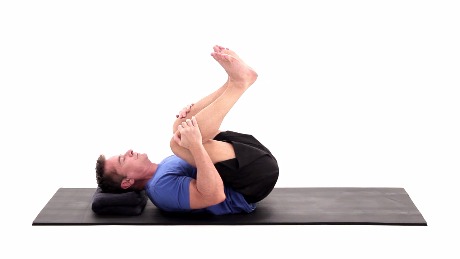
*Exercise! Take a short 10-15 minute walk or try these gentle stretches to stimulate the bowels.

*Eat plenty of fiber. Try to eat 25-30 grams of fiber daily with foods like broccoli, Brussels sprouts, beans, lentils, oatmeal or whole grains.

*Practice good toileting habits:

  • Use proper pooping posture – place your feet on a stool or rest your elbows on your knees to make it easier to empty the rectum.
  • Relax your pelvic floor muscles & breathe!
  • Don’t strain – come back later if you’ve got to push!
Borrowed from MacMillan Cancer Support3

*Try supplements and medications if the above fail. Ask your doctor about magnesium supplements, fiber/psyllium supplements (like Benefiber or Metamucil), stool softeners, or laxatives that might be helpful.

Remember: When it comes to constipation – consistency is key! Don’t scale back on your bowel routine because things begin to lighten up. During chemotherapy, you’ve got to stay on top of things to stay comfortable. If you need help getting a routine that works well for you, ask your doctor about a referral to a pelvic floor physical therapist in your area!

*This blog is part 1 of Pink October’s Pelvic Floor Series, a way to raise awareness of pelvic floor problems during cancer treatment and discuss sex & intimacy after a cancer diagnosis.

Aloha ❤

Pink October

Pink October

Today is October 1, and there are so many things to celebrate this month! Before I get carried away – I want to remind you all that the first of the month is a great time to schedule or do your preventative screenings including your breast self-exam! Performance of routine self-exams help to identify cancerous tumors in earlier stages and can save your life! Go ahead and #FeelItOnTheFirst, and if you haven’t yet, schedule your annual mammogram!

Fun fact: 40% of all breast cancers are discovered by a self-exam!1

October has always been one of my favorite months for many reasons, but as a pelvic floor PT, I am thrilled that I get to celebrate National Physical Therapy Month and Breast Cancer Awareness month in one shot! I consider myself an “educator” by nature, and I always look forward to sharing information with my family and friends about the benefits of physical therapy, especially for our breast cancer thrivers and survivors.

I have several posts lined up for the next few weeks regarding breast cancer surgery, rehabilitation, and complications as well as some common pelvic floor concerns during breast cancer treatment. I look forward to sharing how a physical therapist can play an important role for our oncology patients as I experience my first Breast Cancer Awareness Month as someone living through breast cancer.

I also wanted to bring some awareness to something I hadn’t really given any thought to before I was diagnosed with breast cancer. It’s no secret that every October, things turn pink all over the place. I’m talking pink products in stores, pink foods, pink cleats in the NFL…you catch the drift. Companies all over the place are eager to jump on board with Breast Cancer Awareness Month, and yet, not all of these companies have the best intentions in mind.

In fact, many companies profit tremendously by slapping a pink label on their product and saying that a certain amount of proceeds go to breast cancer research. We call this “pinkwashing,” and as it turns out, many companies are capitalizing on this terrible disease and only donate a small portion of their sales (or none at all) to support breast cancer research or patients.

Unfortunate as it is, I ask that if you do want to support those who are or who will be affected by breast cancer (remember 1 in 8 women will be diagnosed with breast cancer in their lifetime), please do your research on which companies provide support to breast cancer research or directly to breast cancer patients before you buy that pink label.

Let’s turn Awareness into Action! Here are a few of my favorite breast cancer organizations to support:

  • Breast Cancer Research Foundation – your donation goes to sponsor research grants in many areas related to breast cancer. BCRF is recognized by Charity Watch as a top-rated cancer fundraising organization.
  • TNBC Foundation – your donation will go to improving research and quality of life and education for those living with Triple Negative Breast Cancer. I personally have benefited tremendously from the community associated with the TNBC Foundation and the educational events this foundation hosts!
  • METAvivor – your donation will go to improving research for those living with stage IV metastatic breast cancer.
  • Compassion that Compels – if you’re looking to donate to a smaller organization that provides direct support to cancer thrivers – this is a great one! Your donation will go to providing emotional support, chemo care packages, and prayer to women with breast cancer. I loved receiving a Compassion Bag from this lovely organization!

I hope you are as excited about the possibilities in October as I am! I am also on track to complete chemotherapy at the end of the month (actually, I completed #13/16 TODAY) so it’s going to be a party for sure! Take care of yourselves and I look forward to sharing a TON of good info with you this month!

Aloha ❤

Round 12

Round 12

Well, another week or so has passed! I had my 12th (8th taxol) treatment last Thursday and that means I’m 3/4 of the way through chemo. I am getting ahead of myself a little bit with the countdown and keep finding myself saying things like “only 3 left after this week,” but who can blame me?

By the time I’m done with chemo at the end of October, I’ll have been in treatment for a full 5 months. Everything goes fast and slow at the same time. I’m going a little bit stir crazy working from home, working out at home, getting most of my social interaction from home (thanks, FaceTime & Zoom) as I know most of you are, too. I’m thankful we’re starting to re-open beaches, trails and business this week so I’ll have some more opportunity to get out of my dang apartment! Island fever is a real thing, and I’m really looking forward to travelling again when my health and the COVID situation is more stable.

For the past few weeks I’ve been having some rib pain on my left side. My physical therapist brain feels that it’s postural from sitting so much, but my cancer patient brain tells me to be more cautious as it could be one of several other things including bone pain from my zarxio injections, a rib fracture (although I didn’t specifically injure my ribs, all the weekly steroids and injections do put me at risk for lower bone density), or, in absolute worst case scenario, a metastasis to my ribs. My oncology APRN and I agreed to monitor it and if pain becomes worse we’ll do a new scan. It’s getting better with stretching and doing more standing or lying flat so I think all is going to be okay.

FYI – “cancer pain” (pain from a tumor or metastasis) typically follows a unique pattern. Often, pain is worst at night or will wake you up in the middle of the night (for some people, it wakes them at the same time every night). Cancer pain is not resolved with changing your position or stretching typically. Over time, cancer pain usually becomes consistent or unrelenting. Anyone with active cancer or a history of cancer should be aware of pain anywhere in their body and consult their doctor as soon as possible if the pain follows any of these patterns. You can see my other post here about cancer warning signs for other symptoms that might accompany pain.

Always something to be grateful for!

Also, in the past few weeks I’ve been diving a little deeper into the Native Hawaiian practice of Ho’oponopono which translates to “to make right twice (with self & others).” I stumbled upon this after doing a tapping meditation based on Louise Hay’s work. Louise believed that cancer can be related to a deep resentment held in the body and she suggests healing your relationships with others as part of a cancer journey.

Ho’oponopono is the ancient Hawaiian way of resolving conflict and issues within a family but also applies to government or individual relationships. It is the process of forgiveness and making right relationships that have gone wrong. The process of Ho’oponopono can be done with a mediator who is the go-between for the two individuals or parties, but it can also be done individually with mindfulness and meditation on the relationship.

As part of my tapping and meditation, I’ve been using the common Ho’oponopono meditation which is as follows:

I’m sorry.
Please forgive me.
Thank you.
I love you.

I envision the person with whom my relationship requires healing as I’m meditating. This process has been very freeing and beautiful to me. I urge you to try it and to read this article and this article to learn more if you’re interested. Having cancer has put me on a journey to learn more about myself and I think Ho’oponopono is one of the most healing practices I’ve learned so far.

On a fun note, my hair is slowly starting to grow back in, although it’s only baby hairs. At the same time, my eyebrows and lashes are pretty much gone now. I’m looking forward to all of that renewal post-chemo, too! Hope you all are having a great week! I’m looking forward to posting a lot more PT and breast cancer content in October as it’s both National Physical Therapy Month and Breast Cancer Awareness Month so STAY TUNED!!

Aloha ❤