Round 12

Round 12

Well, another week or so has passed! I had my 12th (8th taxol) treatment last Thursday and that means I’m 3/4 of the way through chemo. I am getting ahead of myself a little bit with the countdown and keep finding myself saying things like “only 3 left after this week,” but who can blame me?

By the time I’m done with chemo at the end of October, I’ll have been in treatment for a full 5 months. Everything goes fast and slow at the same time. I’m going a little bit stir crazy working from home, working out at home, getting most of my social interaction from home (thanks, FaceTime & Zoom) as I know most of you are, too. I’m thankful we’re starting to re-open beaches, trails and business this week so I’ll have some more opportunity to get out of my dang apartment! Island fever is a real thing, and I’m really looking forward to travelling again when my health and the COVID situation is more stable.
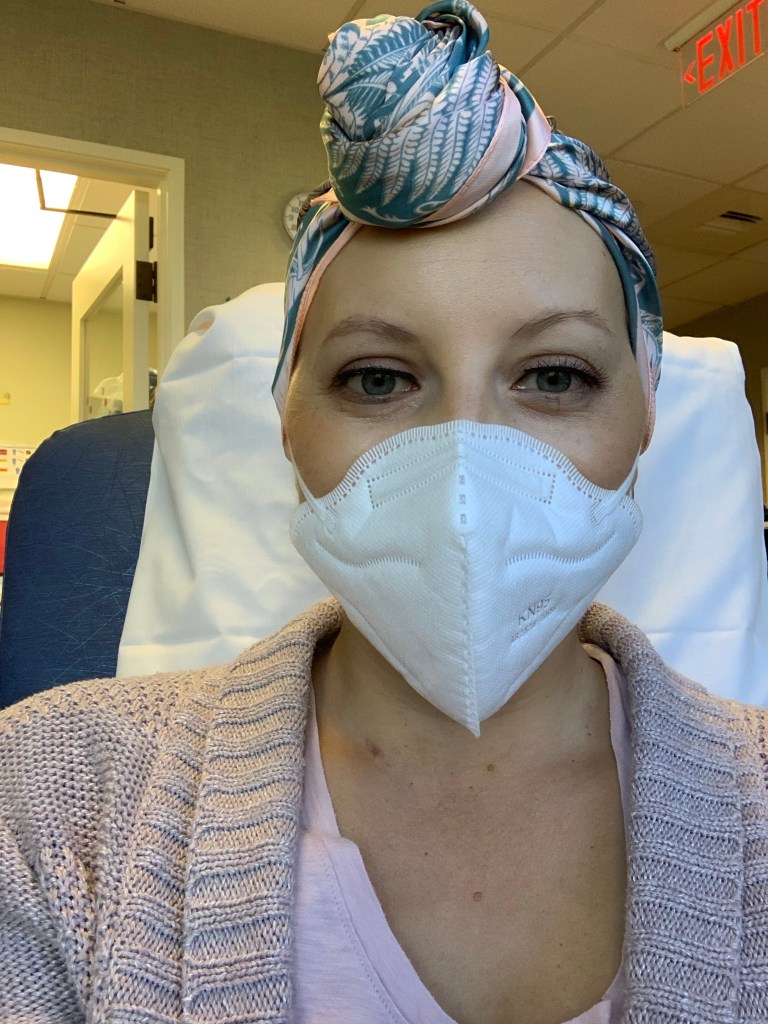
For the past few weeks I’ve been having some rib pain on my left side. My physical therapist brain feels that it’s postural from sitting so much, but my cancer patient brain tells me to be more cautious as it could be one of several other things including bone pain from my zarxio injections, a rib fracture (although I didn’t specifically injure my ribs, all the weekly steroids and injections do put me at risk for lower bone density), or, in absolute worst case scenario, a metastasis to my ribs. My oncology APRN and I agreed to monitor it and if pain becomes worse we’ll do a new scan. It’s getting better with stretching and doing more standing or lying flat so I think all is going to be okay.

FYI – “cancer pain” (pain from a tumor or metastasis) typically follows a unique pattern. Often, pain is worst at night or will wake you up in the middle of the night (for some people, it wakes them at the same time every night). Cancer pain is not resolved with changing your position or stretching typically. Over time, cancer pain usually becomes consistent or unrelenting. Anyone with active cancer or a history of cancer should be aware of pain anywhere in their body and consult their doctor as soon as possible if the pain follows any of these patterns. You can see my other post here about cancer warning signs for other symptoms that might accompany pain.
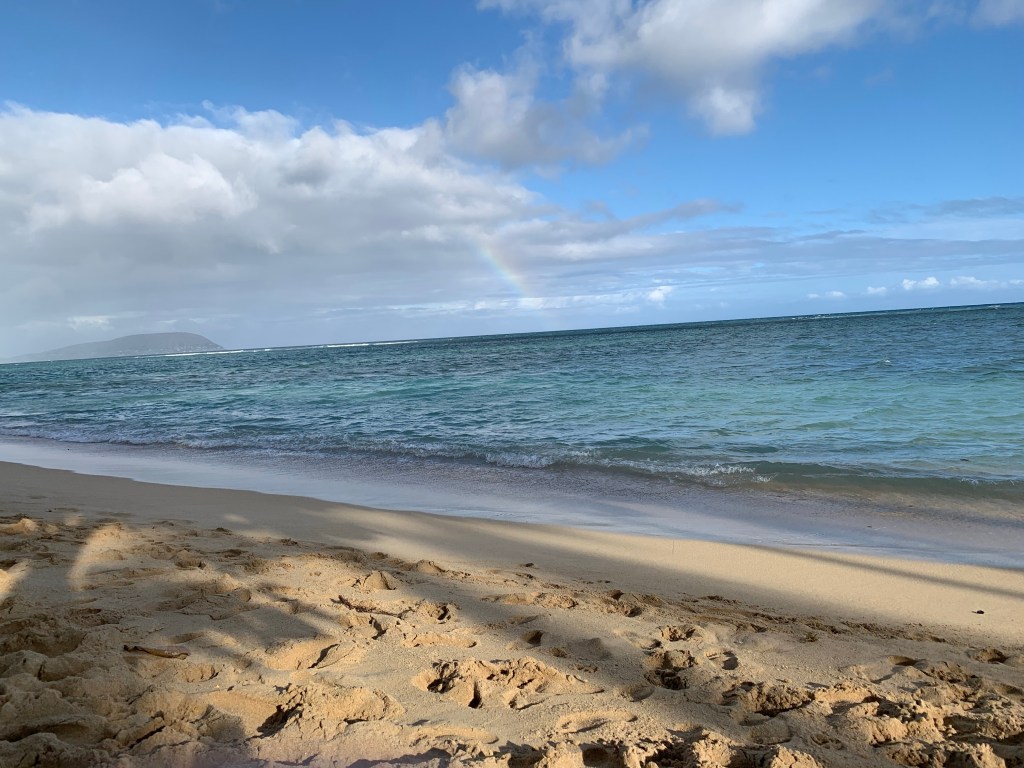
Always something to be grateful for!

Also, in the past few weeks I’ve been diving a little deeper into the Native Hawaiian practice of Ho’oponopono which translates to “to make right twice (with self & others).” I stumbled upon this after doing a tapping meditation based on Louise Hay’s work. Louise believed that cancer can be related to a deep resentment held in the body and she suggests healing your relationships with others as part of a cancer journey.

Ho’oponopono is the ancient Hawaiian way of resolving conflict and issues within a family but also applies to government or individual relationships. It is the process of forgiveness and making right relationships that have gone wrong. The process of Ho’oponopono can be done with a mediator who is the go-between for the two individuals or parties, but it can also be done individually with mindfulness and meditation on the relationship.

As part of my tapping and meditation, I’ve been using the common Ho’oponopono meditation which is as follows:

I’m sorry.
Please forgive me.
Thank you.
I love you.

I envision the person with whom my relationship requires healing as I’m meditating. This process has been very freeing and beautiful to me. I urge you to try it and to read this article and this article to learn more if you’re interested. Having cancer has put me on a journey to learn more about myself and I think Ho’oponopono is one of the most healing practices I’ve learned so far.

On a fun note, my hair is slowly starting to grow back in, although it’s only baby hairs. At the same time, my eyebrows and lashes are pretty much gone now. I’m looking forward to all of that renewal post-chemo, too! Hope you all are having a great week! I’m looking forward to posting a lot more PT and breast cancer content in October as it’s both National Physical Therapy Month and Breast Cancer Awareness Month so STAY TUNED!!

Aloha ❤
Round 11

Round 11

Just wanted to leave a quick update today – I completed my 7th paclitaxel/carboplatin infusion yesterday which is my 11th cycle of chemo overall. I can now officially count down on 1 hand the number of infusions I have left. My white counts continue to be iffy and were a bit low this week so two more GCSF injections it is! Fortunately, with reduction of the paclitaxel dose and adding milk thistle supplements, my liver counts are improving so I’m thankful for that!

Otherwise, all is well. Trying to get enough sleep and exercise to keep my immune system as strong as possible. I probably should write a whole post on sleep at some point here…stay tuned! Also, our governor finally announced that he’ll be lifting the transpacific travel quarantine beginning October 15, so that means my family can finally come down to visit without the hassle of having to quarantine for 2 weeks! Looking forward to seeing my mama ❤

Justin and I watched The Social Dilemma on Netflix last week. I highly recommend it and would love to discuss it with anyone who has thoughts on the good and bad effects of social media on the people in our society. It’s an important ethical discussion and may make you realize why there is so much division in our nation right now. Let me know what you think!

For those of you still exercising at home, here’s a link to a beginner/intermediate Pilates class that I taught last week for my sister. Justin bought me the cute rainbow tapestry in the background so I was inspired to create a routine around rainbows! Enjoy!

Hope all is well and everyone is staying healthy! Please continue to wear a mask to protect your kupuna (elderly) and those with health conditions that put them at high risk. We’re not out of the woods with COVID-19 yet so please be considerate of those around you!

Aloha ❤

Saving your Fertility during Cancer Treatment

Saving your Fertility during Cancer Treatment

When the last thing you expect is to be diagnosed with breast cancer at age 30 (or under 40, honestly), your desire to have (or not have) future children becomes very clear suddenly. I may have been the person who was in no rush to have kiddos, but I took it pretty hard knowing I was about to start chemotherapy that would significantly affect my ability to reproduce, possibly even making it impossible to conceive naturally.

In all the rush of my initial diagnosis, I wasn’t able to write about options to preserve fertility during chemotherapy. Honestly, it was some of the most emotional decision-making I had to do at the time, so maybe I put it off because it was all very overwhelming! Ultimately, I made two important decisions in order to help save my fertility, which I’ll share below with a few other important concepts regarding fertility preservation.

Chemotherapy & Its Effect on the Ovaries

First, you may wonder how exactly chemotherapy affects your ovaries. Chemo medications are designed to target and kill rapidly dividing cancer cells. Unfortunately, those meds can’t differentiate between rapidly dividing cancer cells and rapidly dividing normal cells in the skin, digestive tract, and reproductive organs. Just as you’d expect to see some side effects like skin/nail changes or mouth sores, we expect to see some attack on the ovaries as they also have a known cycle of cell turnover (a.k.a. ovulation). Thus, if you’ve never had children, and your cancer is stable enough to delay treatment for a few weeks to a month, your doctor should recommend all of the fertility-preservation options they have available. If they don’t offer, you better ask!

Egg Preservation Prior to Active Treatment

I was referred to a fertility specialist/reproductive endocrinologist who was excellent. I had the option to extract eggs (unfertilized) or embryos (fertilized) which would be frozen by a process called vitrification until I need them at a later date. I chose to freeze eggs as research now shows no major difference in later IVF success rates whether an egg or embryo is used, per my physician.

The whole process is timed with the menstrual cycle, so specific hormones are injected during the follicular phase (when the ovarian follicles that store the eggs begin to grow and mature) beginning on day 2 or 3 of menstruation. The fertility specialists monitor follicle growth and count every few days with a pelvic ultrasound and bloodwork. As the follicles mature, indicating ovulation to be close, a different medication is given to delay ovulation until the mature eggs can be retrieved.

The retrieval process is done under light anesthesia in the fertility office. A needle is directed into each ovary through the back of the vaginal vault. Suction is used to retrieve the mature follicles, and after inspection of all eggs to determine which are viable, the eggs can be fast frozen (“vitrified”) and stored in an egg bank until needed. Voila! Now, I have a back-up option post-cancer if I’m unable to conceive naturally! Thank goodness for modern medicine.

Throughout all of that, the worst side effects I had were some moderate bloating and cramping after the egg retrieval. I was also given a separate hormone during the follicle-stimulating phase that helped to avoid an estrogen spike so my mood remained stable throughout (I’m sure my husband appreciated that I wasn’t a hormonal monster through it all). Despite having to delay chemo about 4 weeks to complete this process (remember, they like to time it with your natural cycle), I have no regrets on completing this first for peace of mind alone.

The Cost of Fertility Preservation

Whoever my future kids are, I hope they know I reallllllyyyy want them, because fertility options are not cheap! Most insurances do not cover egg/embryo preservation if you do not have a diagnosis of “infertility” even if you get cancer that you never wanted which might render you infertile… (I’ll refrain from saying any more). The egg retrieval process alone usually costs somewhere around $10k which doesn’t include the annual storage fee for the eggs (mine is about $700 per year).

Fortunately, there is a great option for cancer thrivers through the Livestrong Foundation. My fertility specialist had me begin paperwork to apply for their grant which covers about 1/3 of the total cost if you qualify (most cancer patients do unless your insurance covers). Ask your fertility doc if this is an option for you!

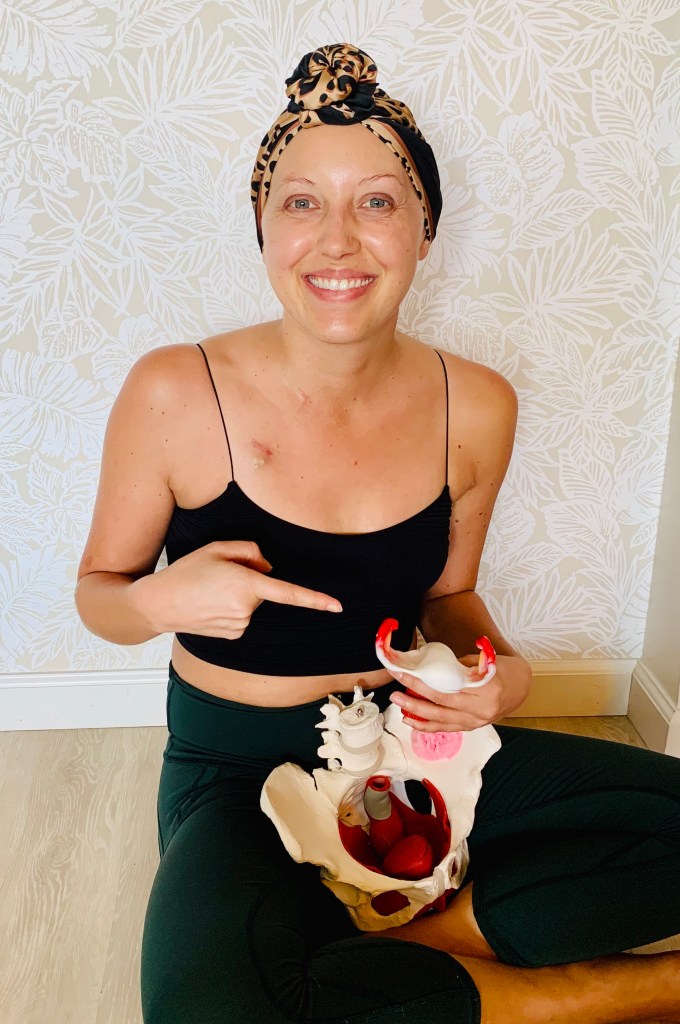
Only a Pelvic PT would have their very own pelvis model at home! #SaveTheOvaries

Options to Preserve Ovarian Function during Chemo

Besides the pre-treatment egg retrieval, my medical oncologist also recommended that I go on a gonadotropin-releasing hormone (GnRH) agonist called Zoladex during chemo. This is a monthly injection that essentially halts ovarian function by blocking GnRH (a hormone released from the hypothalamus in the brain that triggers the release of follicle-stimulating and leutinizing hormones which act directly on the ovaries). The cancer community “lovingly” refers to this state of no periods as “chemopause” because it is essentially a medically-induced menopause complete with joint aches and hot flashes. I have been lucky that my side effects have been mild, and I’m very thankful to give my reproductive system this brief pause while I kick cancer’s ass.

After treatment, once I get the ok from docs, I’ll still be able to try to conceive naturally. The chances of conceiving naturally are lower for those of us who’ve gone through chemo or radiation, but it’s definitely possible! If I need a little help, then I’ve got a few tiny frozen eggs lined up for further fertility treatments down the line.

It’s Okay to Be Concerned about Your Fertility

I’m thankful that my OB/GYN and oncology team were very supportive about fertility preservation prior to starting active treatment. For many women, hearing your plans for a family will likely have to change after cancer is devastating. I didn’t expect to be so emotional about this whole process, to be honest. I’ve always wanted kids some day, but I wasn’t a person who constantly planned my life around it. Even still, early into my diagnosis, I found myself mourning the loss of my potential fertility more than the fact that I could die from cancer. I don’t believe it does anyone any good to stop planning for the future and let cancer have all the control, so be sure to tell your doctors how important saving your reproductive health is to you!

My heart goes out to anyone reading this and going through the same decision-making process. My heart goes out to those of you reading this who are struggling to conceive even without a cancer diagnosis. I’m so thankful to have so many options to consider and know that, in the right time, children will be a part of my journey, too. For those of you just starting out on your cancer and fertility journey, be sure to ask your doctors what the best options are for you!

Aloha ❤

Intermittent Fasting for Health

Intermittent Fasting for Health

Hello! I hope everyone had an excellent Labor Day weekend!

I wanted to make good on my promise to write about intermittent fasting as I hope it’s something that will benefit at least a few of you out there! For the past 5-6 years, I’ve included some type of intermittent fasting (IF) in my routine. I can honestly say that I notice a huge difference in my energy levels and metabolism compared to periods when I don’t intentionally include IF in my regimen.

In the past few years, fasting has become rather trendy. However, IF has quite a bit of research behind it, which pulls it out of that “fad diet” category (not to mention many religious groups have practiced fasting over long periods for centuries and it’s working for them). IF changes the body’s metabolic processes on a cellular level and therefore has important effects for both the body and brain – cool!

Here’s how IF works:

Normally, when the body needs energy, it uses glucose first as a rapid energy source. Once the available glucose has been used up, the body begins to break down fat to fuel our metabolism. Protein is the last to be broken down and is usually not utilized unless the body is under extreme conditions (i.e. starvation).

During a period of fasting/caloric restriction, the body is able to use up it’s glucose stores and begins to break down fat for energy. We can use fat from any part of the body that has excess fat stores like subcutaneous fat (a.k.a. “that stubborn belly fat”), visceral fat (fat that builds up around your abdominal organs), and intramuscular fat.

By significantly reducing calorie intake during IF, our body is able to use the spare energy to boost its processes of detoxification in the liver and kidneys. Waste removal from our cells also increases, and our body as a whole is able to operate more efficiently.

Some of the many benefits of IF include1:

  • Optimized cell functioning and cellular repair (this is called “autophagy” which literally means “self-eating” – eating the bad stuff, anyway)
  • Decreased insulin resistance = lower risk of type 2 diabetes mellitus
  • Reduced oxidative stress and inflammation in the body
  • Increased fat loss while maintaining lean body mass
  • Improved brain function and neuroprotective effects

Types of intermittent fasting include:

  • Weekly fasting (5:2)
    • Limit calorie intake to 500-600 calories for 2 days out of the week.
  • Daily fasting (16:8)
    • Eat all of your normal daily calories within an 8-10 hour window and fast (0 calories) for the other 14-16 hours. 16:8 is the most common, but for females and those with difficulty regulating blood sugar, a 14-hour fast can be more ideal.
  • 24-hour fast
    • Only 0-calorie liquids allowed for a 24-hour period. Can be done several days per week, but best to alternate fasting days with healthy eating days.

With all of that being said, IF is appropriate for most people. Be sure to consult your doctor, registered dietitian, or physical therapist before trying intermittent fasting. It is important to eat an adequate amount of calories in a balanced diet for all of your meals. It’s also extremely important to maintain proper hydration (water & electrolytes), especially with longer fasts.

I have continued to do 14:10 fasting during my chemotherapy, most days of the week. There is some research that IF can reduce chemo side effects2 and I continue to feel very strongly about making sure my insulin/blood sugar regulation is under control to prevent this tumor from taking advantage of any opportunity to grow! I am very aware of my overall calorie intake as my body needs plenty of nutrients to stay strong during treatment. This is NOT a time for me (or any cancer thriver) to be in a calorie deficit!

Please feel free to leave questions about IF in the comments section below! Stay tuned for more updates on my personal journey later this week as I complete taxol/carbo #6!

Aloha!

Warning Signs of Cancer

Warning Signs of Cancer

It’s September 1, everyone! Time to do your preventative screening!
I encourage you all to perform your breast self-exam or schedule your annual mammogram, pap smear, skin check, colonoscopy, PSA test, or whatever it is you’ve been meaning to do!

Early in my cancer diagnosis, I would often be asked “How did you know to go to the doctor?” or “Did you have any other symptoms besides finding a lump?” Because early detection is of utmost importance with a cancer diagnosis, I wanted to point out a few of the warning signs I recognized as well as a few others that might warrant getting things checked out by your physician.

In December 2019, I had my annual OB/GYN appointment with a new doctor. She did a thorough breast exam as part of the usual routine and all of my test results came back normal otherwise. At that time, there was no palpable lump in my left breast.

In early February, I took a quick weekend trip to Seattle to see my bestie. I had worn a mask on the plane because the first whisperings of COVID were happening, but on my first night there I still had some mild flu-like symptoms. I took my temperature and had a low-grade fever. The fever broke by the next morning, but the rest of the day I had an annoying nausea – enough that it convinced me to buy a pregnancy test! Turns out, I wasn’t pregnant, thankfully!

Over the next several weeks, I would leave work and continue to have these feverish symptoms, but they would come and go. At one point, there had been a small rash over the area of my unknown tumor but that disappeared, too. It wasn’t until mid March that I felt the lump. To be honest, I was not a regimented self-checker, but I couldn’t miss it, and I didn’t wait long before making an appointment with my OB/GYN to get it checked out.

I want to emphasize here that when I got into my OB/GYN (who squeezed me in her usually packed schedule), she sent me for imaging and biopsy immediately. Not every woman under 40 with breast cancer has been this lucky, and many are told “you’re too young to have cancer” or “let’s just watch it.” I can’t stress enough that if you feel like something’s not right, you must be your own advocate. YOU have to be responsible for your own health. Get 10 other opinions if you have to, but find a provider who listens to you!

So, yes, looking back there were other signs that should have alerted me even sooner, but it was actually the cumulative symptoms (& my own intuition) that made me seek an appointment so quickly.

Here are a few cancer red flags you should be aware of:

Systemic Changes:

  • Unexplained weight loss (>10 pounds in a short period of time)
  • Extreme fatigue that doesn’t improve with rest
  • Fever (especially if worsens at night) or night sweats with no other sign of infection
  • Pain that does not resolve with repositioning or medications, ALSO pain that wakes you up at night

Localized changes:

  • Skin changes (check out the ABCDE method to monitor your skin)
  • Lumps, bumps, or thickening of the skin
  • Unusual bleeding or slow-healing wounds
  • Changes in bowel or bladder habits (slowed urine flow, blood in urine/stool, etc.)
  • Difficulty swallowing or persistent indigestion
  • Persistent cough or hoarseness

I’m not posting these warning signs to create panic, but to bring awareness. Many of the signs and symptoms listed above relate to other, more benign conditions too, so don’t freak out! I truly believe that the more we know our bodies, the sooner we’ll be able to recognize when something’s off.

Hope you’re all having a great week & taking care of yourselves!

Aloha,
B

Finding Support during Cancer Treatment

Finding Support during Cancer Treatment

Hi everyone! Just wanted to give a little update on how the past few weeks have been. I am on a two-week break from chemo after completing my AC treatments, and honestly, I really needed the extra time before starting the next thing. The 4th round of AC hit me pretty hard on top of what was an already very emotional week so I was kind of a mess!

Fortunately, my body’s recovered a bit more now, and I’ve been able to get back to doing some walking and Pilates. Earlier in the week, I had been having a few days where my heart was racing (even lying down) and I was retaining some fluid in my abdomen and feet. According to my oncology APRN, this is relatively common during chemo, and he gave me a new medication to help offload some of the fluids. This helped my body (& mind) significantly. One of the major concerns with the adriamycin/cytoxan regimen is cardiotoxicity (heart failure) and I’ve learned that I have a lot of fear around that (understandably)!

Waikiki staycation time! Read on for details…

In fact, I’m learning new things about myself daily. Fears, strengths, priorities…cancer is the best self-help bootcamp anyone never asked for. I’ve been working with a psychologist to help with coping mechanisms and anxiety around all of it, and I continue to work on mindfulness practices as often as I can.

Normally, there would be local support groups I could attend to buddy up with other women in the community going through the same thing, but unfortunately those have been put on hold due to COVID as well. I have found a few helpful Facebook Groups, though, which I’ll link below for fellow warriors needing a resource.

I’m thankful to family members & friends, former patients, and new Instagram friends who are survivors and thrivers that have shared their stories with me and who keep checking in on me too! It’s SO important for anyone going through cancer to find your “team” who lifts you up and kicks your butt into gear on your cancer journey. If you’re reading this, and you need help finding your people – reach out to me!

I really have to give a shameless shout-out to my husband who has risen to the challenge of being the best caretaker, chef, chauffer, calmer-downer….ok I can’t think of any more words that start with C… (I really tried)! But seriously, he is amazing and he doesn’t have to do as much as he does for me, even when I can tell it’s taken a toll on him, too.

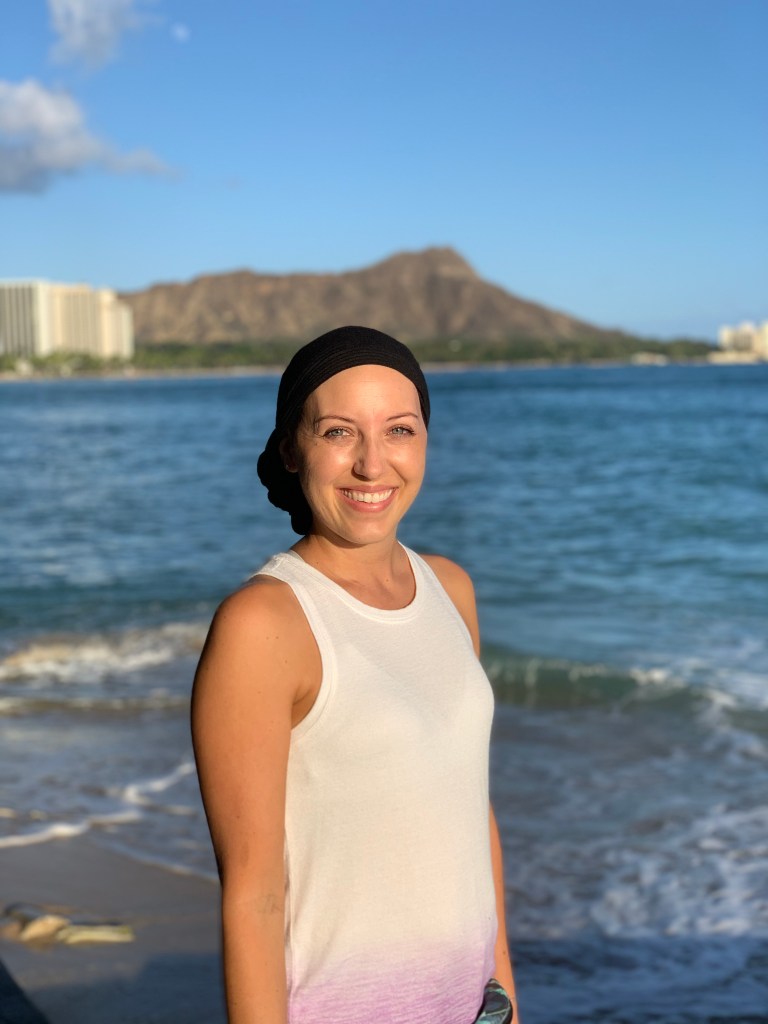
We were able to take a little staycation in Waikiki this past weekend with the only goal to rest and put our responsibilities aside for a few days. We walked, laid by the pool (with sunscreen, of course!), and ate really good takeout so I think we both feel recharged and ready to take on the next big thing!

View from our room!

I’ll start paclitaxel/carboplatin on Thursday and as far as I hear, the side effects are usually significantly less than AC so I’m hopeful. Later this week, I’ll update you all on a clinical trial that I’ll be part of during this regimen, too!

Take care of yourself!

xo

Resources for support during cancer:

Nancy’s List: Nancy is a cancer survivor who has put together an amazing list of practitioners and centers nationwide to support cancer warriors with anything from financial support, psychological services, reiki, exercise classes, and other integrative therapies.

Facebook Groups: There are a broad array of Facebook groups now so you may have to search for those that are most applicable to your diagnosis, age, etc…
I have found the most support and guidance in these two groups:
1) Triple Negative Breast Cancer Foundation
2) Young Women with Breast Cancer
There are even groups for people with BRCA+ cancers, for those who are pregnant and going through treatment, and for those starting families after beating cancer! Find groups that resonate with your “vibe” and spend time looking for groups that are more specific to your diagnosis so you can get the most out of it!
*PRO TIP: Advice given in these groups is not intended to be used as medical advice, BUT sometimes people will post about new research or treatments that you can run by your doctor!

BC Healthline App: This free and awesome app (available for iPhone and Android) connects women nationwide with others who have similar breast cancer diagnoses or staging. There are frequent guided chats about hot topics like new diagnosis, treatment, lifestyle, and living with metastatic breast cancer. It’s an easy and informative way to connect virtually!

Lymphatic Drainage Techniques for Detox

Lymphatic Drainage Techniques for Detox

As you all know, chemotherapy involves a lot of heavy pharmacology. These medications are absolutely life-saving, but they can also take a toll on our body’s natural detoxification processes and can leave anyone feeling sluggish, tired, or generally unwell. This post is for anyone going through chemo, but also for anyone who lives on planet Earth right now. We are exposed to so many chemicals daily and we need to keep our bodies healthy!

Our body’s immune system includes the liver, spleen, thymus gland, bone marrow, and all of the lymphatic nodes and vessels.1 Its primary function is to DETOX our body and protect it against infection and disease. The lymph is the circulating component and thus a very important player in ridding our body of waste products.

An important thing to know about lymph is that it needs some help to flow. Unlike blood vessels, lymphatic vessels do not have smooth muscle that helps to pump it throughout the body, so lymph relies on things like muscle contractions, gravity, etc. to promote a 1-way flow through our bodies.

Read here or watch the video at the end of this post to learn about my favorite ways to perform lymphatic drainage at home:

Diaphragmatic Breathing

Diaphragmatic breathing, or belly breathing, helps to gently stimulate the cisterna chyli. The cisterna chyli is a large lymphatic collecting vessel in the abdomen where lymph from all 4 limbs begins to collect. Stimulating lymphatic flow here can help promote circulation of toxins OUT of the body. Since it’s close to the heart, I like to clear this region first so nothing gets “backed up” if the flow is a little sluggish through here.

Manual Lymphatic Drainage

Manual lymphatic drainage is a gentle, stroking type of massage that helps promote lymphatic flow. There are many ways to do this – with gentle massaging strokes as described in the video below or by using a dry brush or jade roller. The key is to keep the pressure light – lymphatic vessels run close to the surface of our skin so it doesn’t take much to get it going!

Bowel Massage

I finally get to talk about poop (a pelvic PT’s dream)! The liver relies heavily on regular bowel movements to clear out waste and toxins from our bodies. If you are constipated, your liver is working overtime. Typically, we should have a bowel movement every 1-3 days. Before resorting to laxatives or stool softeners if you’re backed up, be sure you are getting enough fiber in your diet and try bowel massage to get that stuff moving! Check out my recommendations for bowel massage in the video.

Acupressure / Acupuncture

During this last round of chemo, I found myself going back to a few key acupressure points that my acupuncturist recommended to assist with lymphatic drainage. I’ve been working two points primarily – one near my right elbow and one on my left shin. Also, check out the P6 point on the wrist, which helps significantly with nausea (even for pregnant women and those who get motion sickness).

Exercise

Finally, my favorite way to get that lymph flowing – exercise! I recommend aerobic exercise, specifically, to increase circulation. It should be low intensity (you can still have a conversation while doing it) over a longer duration (20-30 minutes at a time), and you can pick your favorite activity like walking, biking, or swimming.

I hope this video helps you learn a a bit more about how to implement lymphatic drainage into your everyday life! Feel free to reach out to me with any questions you may have!

xo

Understanding your Lab Results During Chemo

Understanding your Lab Results During Chemo

During chemo, there are a few important labs that your provider will run frequently. These specific tests help them determine the best course of treatment for you and give you and your provider an idea of how your body responds to treatment, guide future treatments and help you understand your risk for infection, anemia, or liver/kidney damage as you go through treatment.

Knowledge is power.

Below, I’ll outline two common panels that your doctor may order to check on your general health. This is meant to be a rough reference guide so be sure to ask your doctor what it might mean for YOU specifically if something comes back outside of the reference range!

Complete Metabolic Profile1

A panel that relays important information about your body’s metabolism and chemical balance. Click on the number under additional info to read more!

TestNormal RangeAdditional Info
Glucose70-99 mg/dLYour blood sugar levels! Glucose is the body’s main source of energy so it’s important for this to be balanced. It can indicate diabetes if high.2
Blood Urea Nitrogen (BUN)
6-23 mg/dL

An indicator of your kidney’s ability to remove waste products from the blood.3
Creatinine0.7-1.4 mg/dLA waste product of muscle breakdown which happens with everyday activities. This test indicates kidney function as the kidneys typically clear creatinine from the blood/urine.4
Sodium5

Potassium6

Chloride7

Carbon Dioxide (CO2)8
133-145 mEq/L,
3.3-5.1 mEq/L,
95-108 mEq/L,
21-30 mEq/L
Substances, sometimes called electrolytes, which help balance your body’s fluid and acid/base regulation. These tests can indicate a variety of metabolic disturbances such as dehydration, irregular heart rhythms, or alkalosis.
Calcium8.3-10.5 mg/dLAn important mineral for regulation of nerve, muscle, and heart function! Not just good for your bones!9
Alkaline phosphatase (ALP)10,
Alanine transaminase (ALT)11,
Aspartate aminotransferase (AST)12
35-129 IU/L,
0-41 IU/L,
0-40 IU/L
A variety of liver enzymes which indicate liver function.
Bilirubin0-1.2 mg/dLA waste product from the liver that indicates liver function.13
Albumin3.5-5.2 g/dLA protein made in the liver that helps to carry out various bodily processes. Low levels may indicate liver or kidney dysfunction.14
Total protein6.4-8.3 g/dLA measure of the total protein in your blood.

Complete Blood Count15

An assessment of various cells which circulate in the blood which are good indicators of overall health and your risk for infection or disorders.

TestNormal Range Additional Info
Red Blood Cells (RBC)3.6-5.4 x 10⁶/uLRBCs carry oxygen from lungs to your body. Low RBCs could indicate anemia.
Hemoglobin (Hb)11.2-15.7g/dLA protein that binds oxygen to RBCs. Low Hb can indicate anemia.
Hematocrit (Hct)34.1-44.9%The percentage of your blood made up of RBCs. Low Hct can also be used to screen for anemia as well as for dehydration.
Platelets151-424 x 103/uLPlatelets help with clotting. If platelets are low, you could bruise or bleed more easily, and if platelets are high, you could be at higher risk for blood clots (deep vein thrombosis or pulmonary embolism).
White Blood Cells (WBC)3.8-10.8 x 10⁶/uLWBCs are immune cells which help to fight infection. Low WBC count could mean you are at higher risk for infections and you should take extra caution to stay healthy.16
Neutrophils34.0-72.0%,
(Absolute:
1.56-6.20 x 10³/uL)
WBCs formed in bone marrow which specifically target bacteria and fungi. They are the first line of defence against infection!
Lymphocytes12.0-44.0%
(Absolute: 1.18-3.74 x 10³/uL)
WBCs abundant in the lymphatic system that identify and destroy foreign invaders (like cancer cells!).
Monocytes0.0-12.0%WBCs that fight bacteria, viruses, and fungi, but which also play a role in tissue repair and healing.
Eosinophils0.0-7.0%WBCs that are involved in allergic inflammatory response and also target larger parasites (like worms).
Basophils0.0-2.0%WBC involved in allergic reactions.

Again, if your labs come back with any unusual values, be sure to discuss them with your physician so you fully understand the interpretation.

Here are some good questions to ask your doctor about your labs:

  • Why do you choose to run these specific lab tests?
  • What does it mean that my lab values came back high/low?
  • Are there any symptoms I should watch for that could indicate dehydration, anemia, blood clots, or infection?
  • What should I do if I think I am showing signs of infection (i.e. fever, chills, etc.)?
  • Is there a way I can see my lab values online? If not, can you print them for my records?
  • When should we run these tests again?

I hope this is a helpful reference guide for you as you begin to better understand your general health, but especially during chemotherapy. As always, feel free to leave any questions you may have in the comments!

xo

Tips for Chemo-Induced Hair Loss

Tips for Chemo-Induced Hair Loss

So far things are going pretty well after my 2nd AC treatment last week. I caught up on plenty of sleep, forced fluids and attempted some short walks. I feel better today and according to my lab work, my white count is looking good this time around!

As I’ve mentioned, I’ve been working on my mindset around everything cancer, and as positive as I may come off on here, I forget to share that there are very real moments of anxiety and sadness that come with a cancer diagnosis. It’s important to me that I don’t put on a false front that “even though I have cancer, I’m totally fine.”

Yeah. There have been a few breakdowns here and there, especially this past week when my hair started falling out in big clumps in the shower. That’ll make a girl cry for sure. I have always been one to try different cuts and colors in my hair, but going bald wasn’t exactly on my list of things to try in my 30’s.

All jokes aside, it was a pretty emotional experience so I asked my husband if he’d shave it for me. Mind you, this is his first time using clippers and he nailed it! Taking control of the situation really helped ease my mind. Also, phone calls with your bestie and making inappropriate jokes really helps!


Here’s a few tips I’ve learned for chemo-induced hair loss:

  • Wash with baby shampoo for several weeks before hair falls out. My oncology APRN recommended this and I think it’s helped to reduce scalp sensitivity with the hair falling out.
  • Cut your hair in stages if you don’t feel comfortable shaving it right off the bat. I ended up loving my short pixie cut and it gave me an idea of what styles I can try as my hair grows back out!
  • Use coconut oil or lotion to moisturize the scalp after shaving and give yourself a little scalp massage to relax while you’re there!
  • Play around with fun head wraps, hats, and wigs OR just rock the bald look and show off your cancer warrior status. I just ordered some super cute, high quality head wraps from The Wrap Life and highly recommend (Click the link for $5 off your first wrap)!
  • Unofficial advice: Google pics of “bald female celebrities” and know you can rock that look too!

One more reminder as I wrap up today – It’s time to #FeelItOnTheFirst! Do your monthly self breast exam – it takes about 5 minutes and could be the most important thing you do all week! If you’re not sure what to look for or how to do one, check out my earlier post here!

Sending lots of aloha to you all today!

xo

Welcome

Welcome

Today, I’m out on my lanai drinking my favorite Yogi tea, and sitting down to write out some of what’s been going on in my life over the past month.

To give you a little background, I grew up in Butte, Montana, attended college at University of Montana and achieved my Doctorate in Physical Therapy from Eastern Washington University. Since then, I moved with my husband to Honolulu, Hawaii. In the past 5 years, I’ve grown in my practice as a pelvic health physical therapist. I’ve also learned the true meaning of ALOHA which I hope to carry with me through all life’s adventures.

I wanted to start this blog for multiple reasons. Primarily, so my family and friends can stay updated on my medical journey, but also so I could share my knowledge with others.

As a pelvic health physical therapist, I’ve had the unique privilege of working with breast cancer patients to help them maintain independence and wellness during their treatments. I have more to give than to just tell my story and leave it at that, so this blog will contain updates on my personal journey as well as physical therapy tips for patients with breast cancer, pelvic floor concerns, and orthopedic conditions.

I hope that my perspective will be unique and helpful. Thanks for following along!